Lumen Archive — Culture, 2024
Two million photographs, one way in
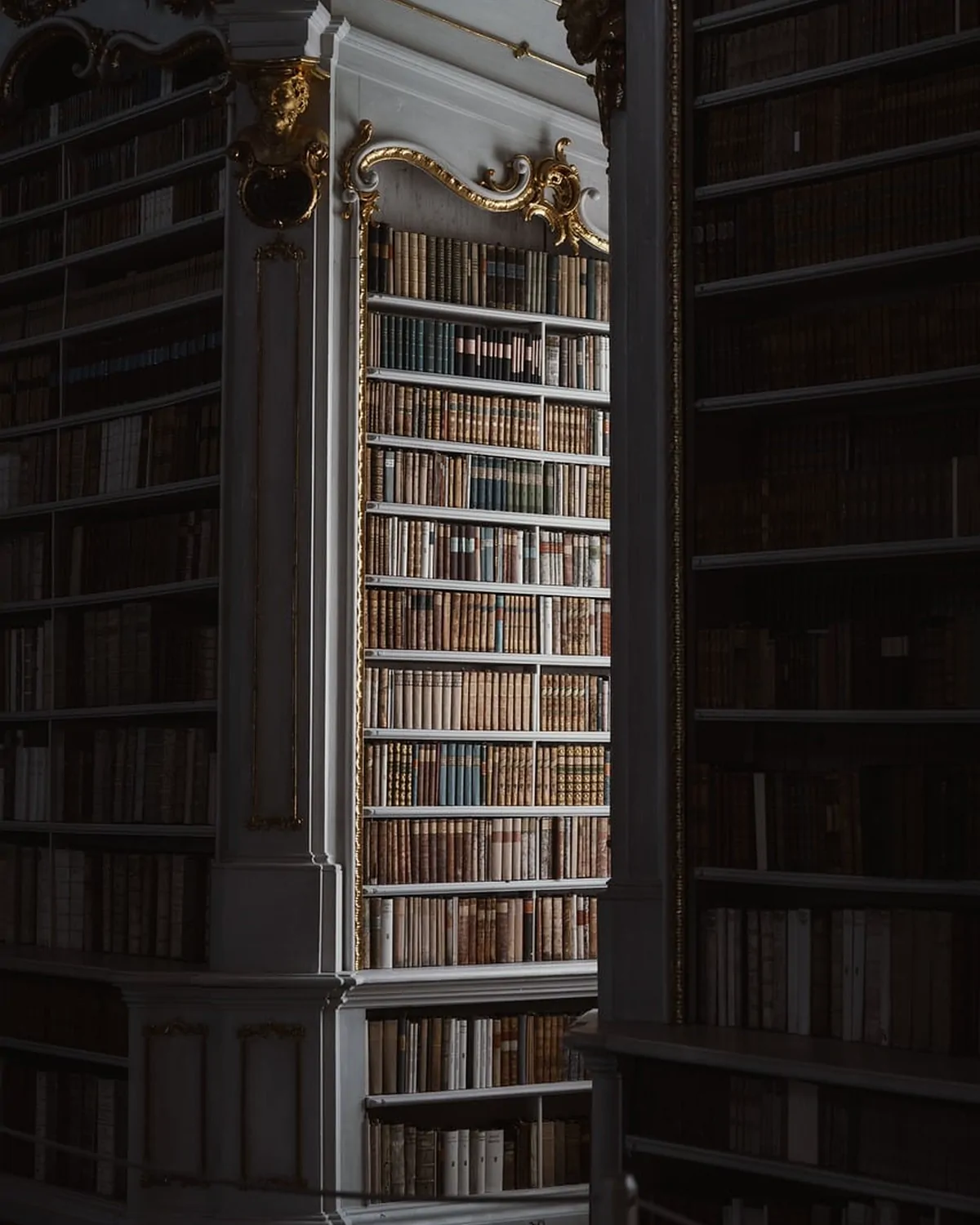
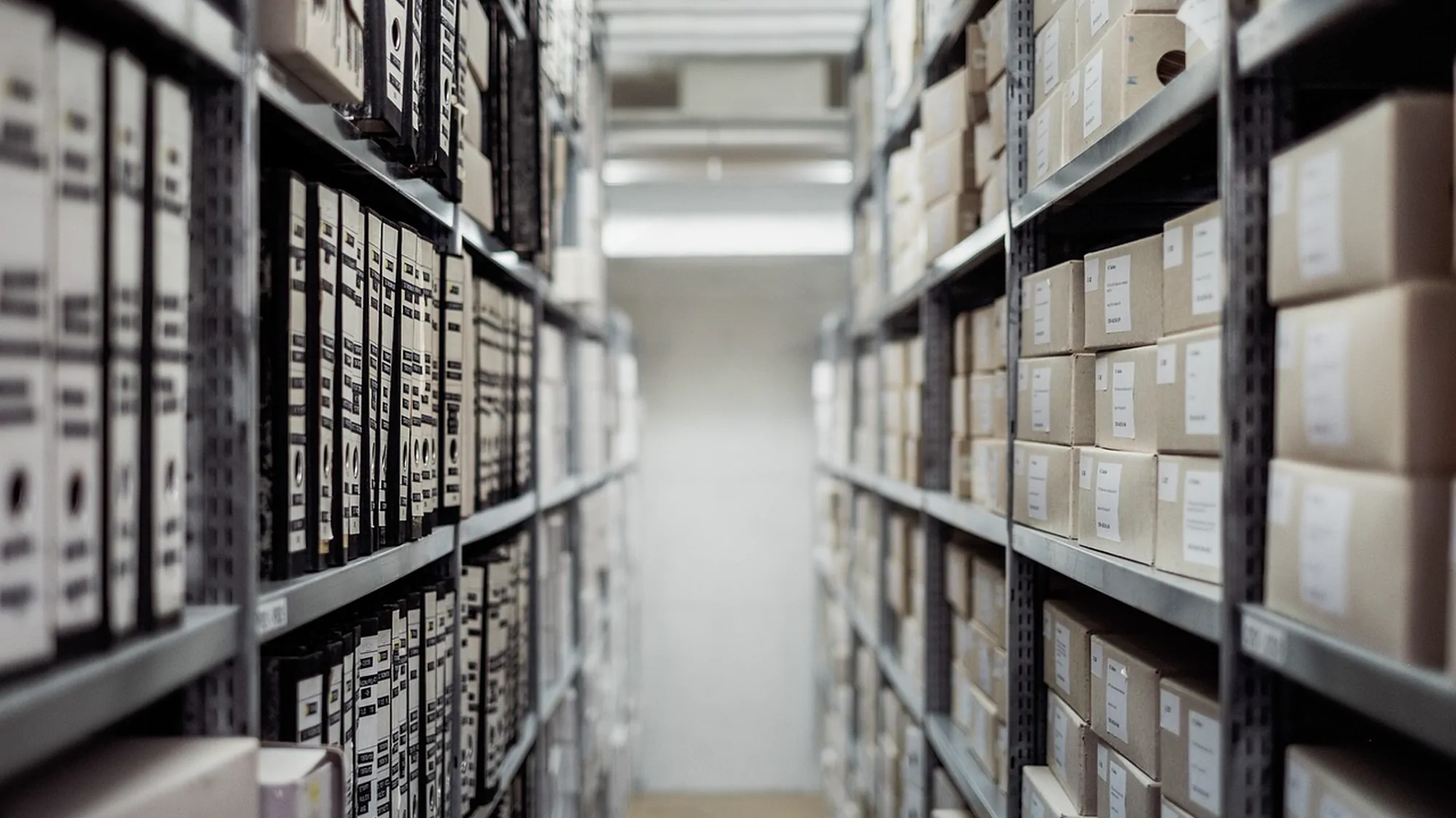
The collection had been catalogued by four institutions over ninety years, each with its own idea of what a photograph is about. The result was searchable only by people who already knew what they would find.
Context
Ninety years of somebody else's categories
Lumen holds roughly 2.1 million photographs covering British industrial and civic life from 1889 onwards. It is a genuinely important collection that almost nobody outside the reading room had ever used, because to find anything you had to guess which of four historical cataloguing schemes had swallowed it.
We spent the first nine weeks not designing. We sat in the reading room and recorded 214 real enquiries — what people asked for, what they were given, and where the two diverged.
The work
What the catalogue said, and what people were asking for
Most of the redesign was a translation layer. The original records are not wrong, and we did not rewrite them; we added a second index built from the way enquiries are actually phrased, and let the two point at each other.
Subject: Marine — Vessels — Auxiliary
Tugs and working boats
Twenty-nine enquiries used the word 'tug'. The catalogue used it once.
Topographical: Tyne and Wear (post-1974)
Newcastle, Gateshead, Sunderland, North Shields…
People search for the place they remember, not the administrative county it was moved into.
Occupational groups — Female
Women at work
The original phrasing is a historical artefact. It is preserved in the record and no longer in the interface.
Uncatalogued accession 1994/12
The Hexham studio, 1951–1968
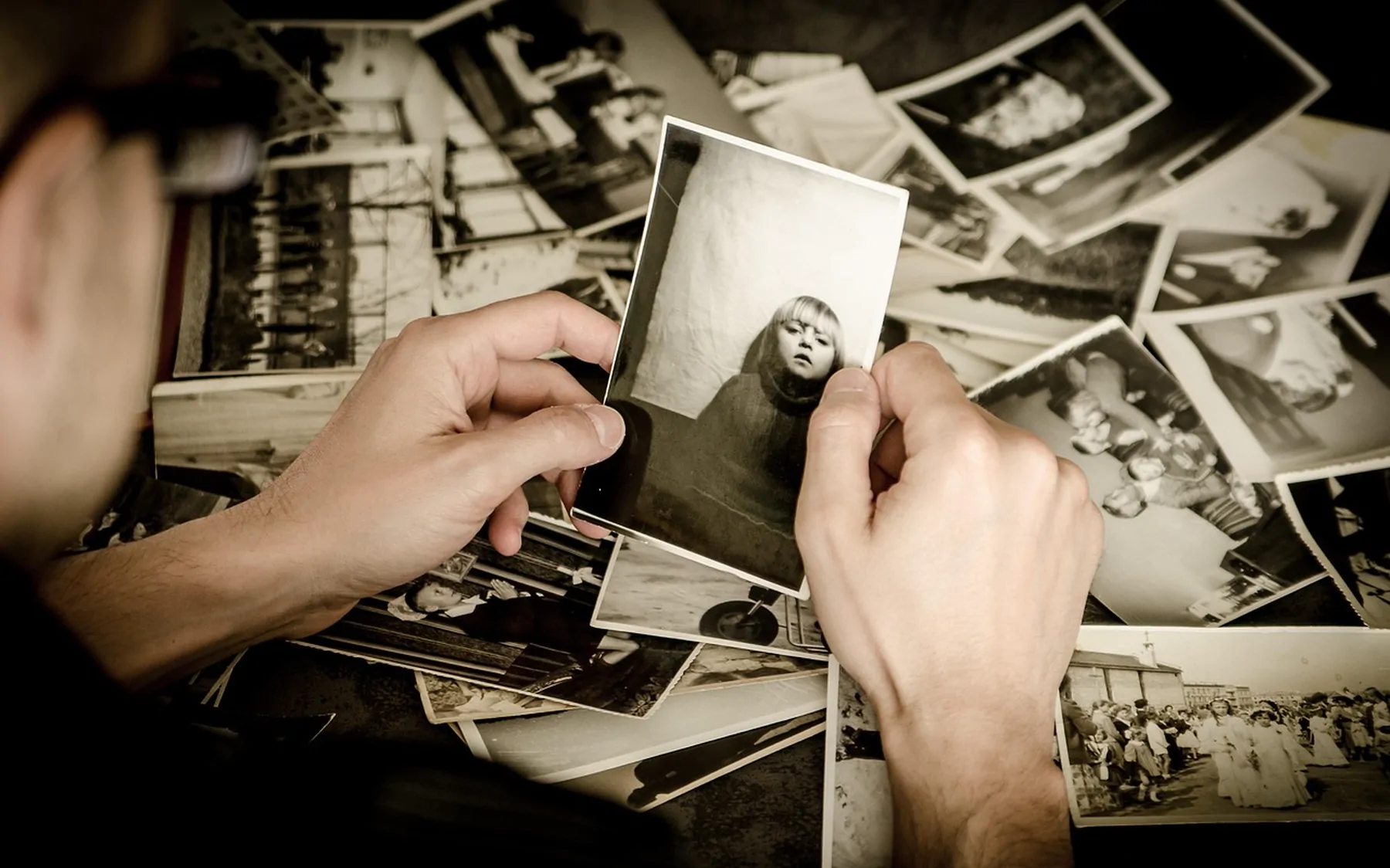
17,000 negatives from a single high-street studio, invisible for thirty years because nobody had named the box.
The interface
Search that admits what it does not know
Every result carries its provenance — which scheme catalogued it, when, and how confident the match is. A partial match says so. An uncatalogued box says so, and offers the accession number so a researcher can request it anyway.
The exhibition identity uses the same logic in the building: wall labels carry the original catalogue line in the archive's own typewriter face, with the plain-language title above it. Visitors get the readable version; the record stays visible underneath.
Aubergine appears only on the translation layer — anything we added rather than anything the archive holds. After four years it is still possible to tell our work from theirs at a glance, which was the point.
“You did not tell us our catalogue was bad. You told us it was written for the people who made it, which is a different problem with a different fix.”
Outcome
What changed
214
Reading-room enquiries recorded
The research that produced the second index. Nine weeks, before any design.
17k
Negatives surfaced from one uncatalogued accession
The Hexham studio, 1951–1968, now the most requested series in the collection.
4
Cataloguing schemes reconciled
Preserved intact underneath a single plain-language index.
What we would do differently
We built the confidence indicator as a three-step scale. Curators use it; the public reads anything below 'exact' as 'wrong'. A two-step version with a written explanation would have been more honest and less alarming.
Research
Ines Aldaz, Nour Bahri
Design
Marta Oyelaran
Engineering
Ruth Ekhator, Daniel Mkhize
Environments
Cai Ferreday
Next project
Sable Union
Naming, identity, interior graphics and a voice system for a three-site club that refused every convention of the category.