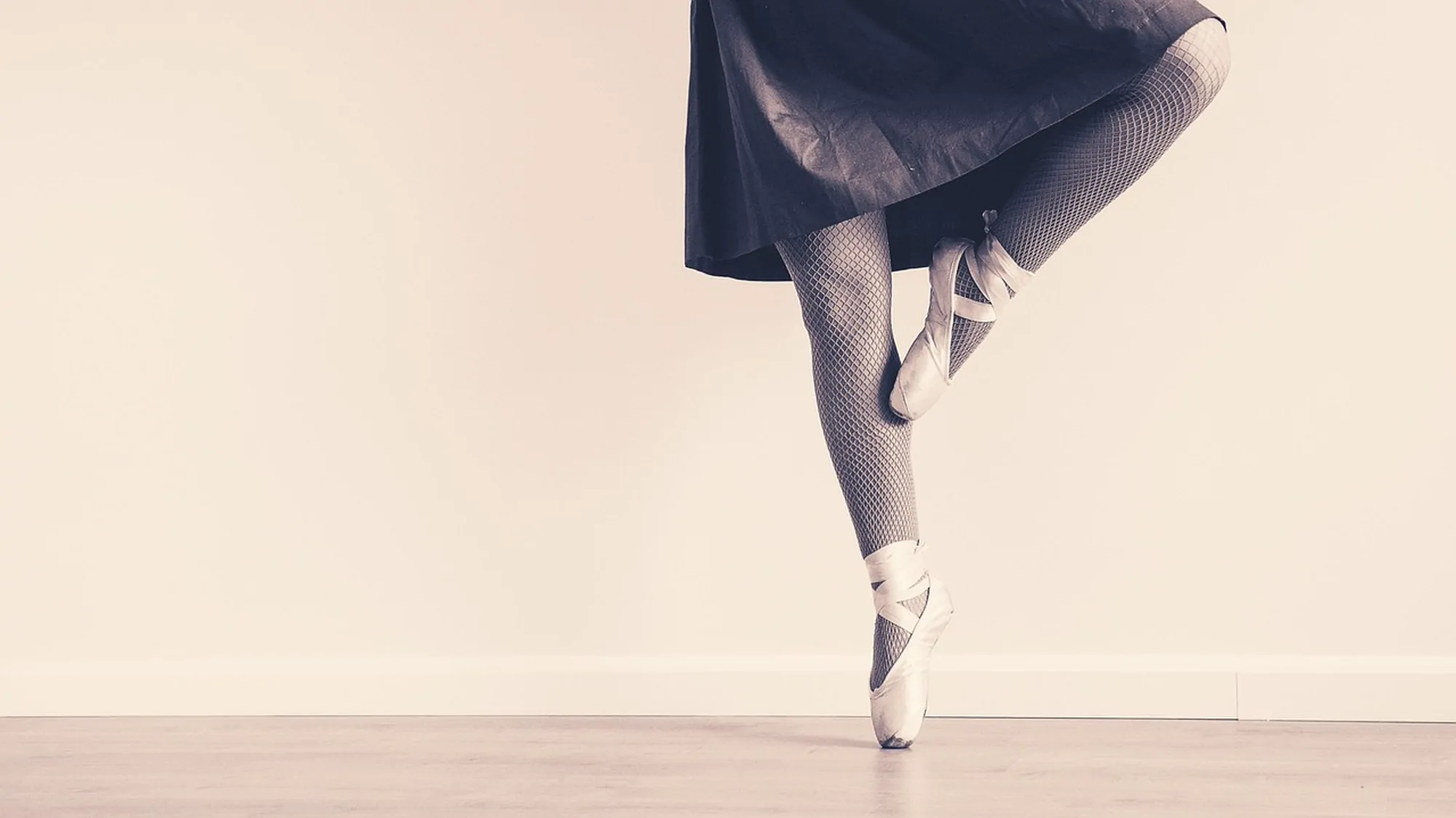
Verrine — Performing arts, 2026
A dance house that stopped advertising its seasons and started publishing them
Verrine makes five works a year and used to announce them five times a year, from scratch, in five different visual languages. The company was not short of ideas. It was short of a form.
Context
Five premieres, five identities, one exhausted studio manager
Every Verrine season had been designed as a separate campaign by whoever was available. The results were often good and never cumulative: audiences could not tell that the company they saw in February made the thing they loved in October.
The company did not need a rebrand so much as a publishing schedule with a visual grammar attached to it. We rebuilt the season as a periodical.
The form
The season as an eight-issue year
Each issue is the same object in a different state: a 16-page newsprint programme, a set of three posters, a title sequence and a run of stills. The dates are fixed a year ahead, so the studio designs to a deadline rather than to an announcement.
Issue 01 — September
Season statement
The artistic director's text, the full calendar, and the year's single photographic commission. No individual work is sold here.
Issues 02–06 — Per premiere
Work programme
Cast, score, duration, the choreographer's notes and one rehearsal essay. Printed two weeks before the first night and given away at the door.
Issue 07 — May
The year in rehearsal
Photography and text from the studio rather than the stage. The issue that is passed on to people who have not bought a ticket.
Issue 08 — July
Accounts
Attendance, commissions, touring, funding and what the company failed to make. Designed identically to the others so it reads as part of the work.
The rules
One typographic move, repeated for a year
Verrine's identity is a single measure of leading, set very tight, in which the title of the work is allowed to collide with itself and nothing else ever is. It is the only place in the system where anything overlaps — the equivalent of one gesture in a piece that is otherwise still.
Verdigris is used at full strength for the current work and at 12% as the ground for everything archived, so the whole back catalogue recedes without going grey.
The title sequences use the same rule in time: one overlap, held for eleven frames, then resolved. Eight seconds, no music bed, shot on the rehearsal room floor.
“The accounts issue was the one we argued about for a month. It is now the one that gets requested by other companies.”
Outcome
What changed
+38%
Season subscriptions
First full year on the new calendar, against the previous year's like-for-like run.
8
Issues a year, fixed
Dated twelve months ahead so production planning stops being reactive.
0
Bespoke campaigns commissioned
Down from five. The system absorbed every premiere in its first year.
What we would do differently
We under-specified the archive. The system is excellent at the current season and merely adequate at the previous eleven years, which is what a dance company is actually made of. The taxonomy work we did later for Lumen Archive should have happened here first.
Strategy
Tobias Renn
Design
Kasia Wrońska, Marta Oyelaran
Film
Joaquim Sé, Nour Bahri
Production
Halldór Sæmundsson
Next project
Tessel
A naming, identity and packaging system for a steel bicycle workshop that had never sold anything directly.